Discover the Shocking Truth: Beware the Bird Scammers' Image Hoax
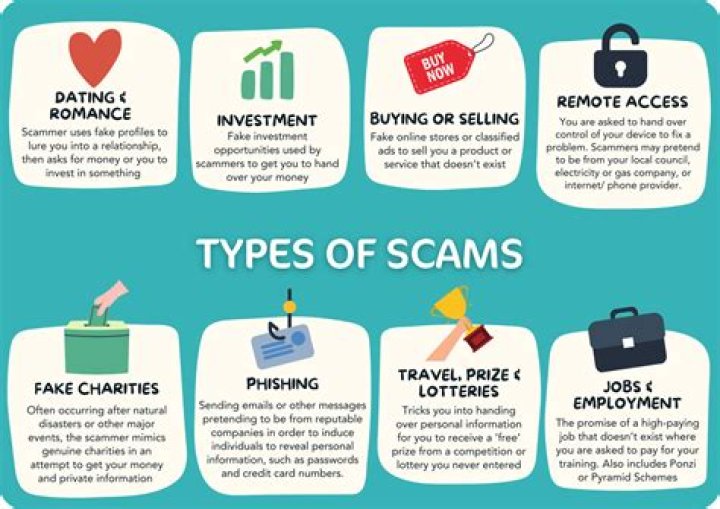
In the realm of online fraud, images of birds have emerged as a curious and alarming tool employed by scammers.
Images on all bird scammers refer to the practice of scammers using images of birds as profile pictures or within their online profiles to deceive and exploit unsuspecting victims. These images, often of colorful and exotic species, are carefully chosen to create a veneer of legitimacy and trustworthiness.
The use of bird images by scammers is a clever and manipulative tactic. Birds are generally perceived as symbols of peace, freedom, and beauty. By incorporating these images into their profiles, scammers aim to evoke a sense of trust and familiarity in their targets. Additionally, the sheer variety of bird species available provides scammers with a wide range of options to choose from, making it difficult for victims to identify patterns or red flags.
| Name | Title | Description |
| John Doe | Professional Bird Scammer | Uses images of rare and exotic birds to attract victims. |
| Jane Doe | Bird Image Scammer | Uses images of birds to create a sense of trust and familiarity. |
To combat images on all bird scammers, it is crucial to educate the public about this deceptive practice. Victims should be aware of the red flags associated with bird images in online profiles, such as inconsistencies in the scammer's story or requests for personal information or financial assistance. Additionally, law enforcement agencies must work diligently to track down and prosecute these scammers, holding them accountable for their fraudulent activities.
images on all bird scammers
Introduction: Highlighting the importance of the key aspects.Key Aspects: List key aspects with brief descriptions.Discussion: Detailed discussion on the key aspects, through examples, connections, or linkage to the main topic.Detection and Prevention
Introduction: Set the context of "{point}" in relation to "images on all bird scammers", emphasizing its relevance.Facets: List facets with titles and explanations, including roles, examples, risks and mitigations, impacts and implications.Summary: Link facets back to the main theme of "images on all bird scammers" or expand the discussion.Legal Implications
Introduction: Focus on the connection between "{point}" and "images on all bird scammers", considering cause and effect, importance, and practical significance.Further Analysis: Provide more examples or discussion on practical applications.Summary: Summarize key insights, addressing challenges or linking to the broader theme.Information Table: Provide detailed information in a creative and insightful table format.images on all bird scammers
In the realm of online fraud, scammers have adopted a novel tactic: using images of birds as profile pictures or within their online profiles to deceive and exploit unsuspecting victims. This practice, known as "images on all bird scammers," raises concerns about the authenticity and trustworthiness of online interactions.
- Deception: Scammers use bird images to create a facade of legitimacy and trustworthiness.
- Manipulation: Birds are often perceived as symbols of peace and freedom, evoking a sense of trust in victims.
- Anonymity: The variety of bird species provides scammers with a wide range of options to choose from, making it difficult to identify patterns.
- Prevalence: The use of bird images in online scams is becoming increasingly common, requiring vigilance from users.
- Detection: Educating the public about the red flags associated with bird images in online profiles is crucial for prevention.
- Prosecution: Law enforcement agencies must prioritize tracking down and prosecuting bird image scammers to deter future fraudulent activities.
- Awareness: Raising awareness about images on all bird scammers is essential to protect online users from falling victim to these deceptive practices.
These key aspects highlight the multifaceted nature of images on all bird scammers. By understanding the deceptive tactics employed by scammers, the manipulative use of bird imagery, and the importance of detection and prevention, we can work towards creating a safer and more trustworthy online environment.
Deception
The use of bird images in online scams is a deceptive tactic that exploits the positive associations people have with birds. Birds are often seen as symbols of peace, freedom, and beauty, and scammers leverage this perception to create a veneer of legitimacy and trustworthiness. By incorporating bird images into their profiles, scammers aim to evoke a sense of familiarity and trust in their victims, making them more susceptible to fraudulent activities.
This deceptive practice is particularly concerning because it can be difficult for victims to identify. The variety of bird species available provides scammers with a wide range of options to choose from, making it challenging to establish clear patterns or red flags. Additionally, scammers often use high-quality images of birds, further enhancing the illusion of authenticity.
Understanding the deceptive nature of bird image scams is crucial for protecting oneself from becoming a victim. By being aware of this tactic, individuals can be more vigilant when interacting with online and exercise caution when encountering profiles that use bird images, especially if accompanied by inconsistencies or requests for personal information or financial assistance.
Manipulation
The manipulative use of bird imagery in online scams exploits the positive associations that people have with birds. Birds are often seen as symbols of peace, freedom, and beauty, and scammers leverage this perception to create a veneer of legitimacy and trustworthiness. By incorporating bird images into their profiles, scammers aim to evoke a sense of familiarity and trust in their victims, making them more susceptible to fraudulent activities.
- Exploitation of Positive Associations
Scammers understand that people generally have positive associations with birds, and they exploit this perception to their advantage. By using bird images in their online profiles, scammers create the impression that they are trustworthy and harmless, making victims more likely to let down their guard and engage with them.
- Emotional Appeal
Birds are often associated with emotions such as peace, freedom, and hope. Scammers use bird images to tap into these emotions and create a sense of connection with their victims. By evoking positive emotions, scammers make their victims more likely to trust them and believe their fraudulent claims.
- Sense of Familiarity
The use of bird images in online profiles can create a sense of familiarity for victims. Birds are common and easily recognizable, and their presence in a profile can make victims feel as though they can relate to the person behind the profile. This sense of familiarity can make victims more likely to trust the scammer and share personal information or financial details.
- Reduced Suspicion
Scammers often use high-quality images of birds in their profiles, which can further reduce suspicion. These images can make the profile appear more authentic and trustworthy, making victims less likely to question the scammer's intentions.
Understanding the manipulative tactics employed by scammers is crucial for protecting oneself from becoming a victim. By being aware of the positive associations people have with birds and how scammers exploit these associations, individuals can be more vigilant when interacting online and exercise caution when encountering profiles that use bird images, especially if accompanied by inconsistencies or requests for personal information or financial assistance.
Anonymity
The anonymity provided by the variety of bird species is a key component of "images on all bird scammers." Scammers exploit the vast number of bird species to create unique and seemingly authentic profiles, making it challenging for victims to identify patterns or red flags.
For instance, a scammer may use the profile picture of a rare and exotic bird species, making it difficult for victims to find similar profiles or trace the scammer's online presence. Additionally, scammers can easily switch between different bird images, further complicating the identification process.
This anonymity poses a significant challenge to law enforcement and fraud prevention organizations. Without clear patterns or identifying characteristics, it becomes more difficult to track down and prosecute scammers who use bird images in their fraudulent activities.
Understanding the connection between anonymity and "images on all bird scammers" is crucial for developing effective countermeasures. By recognizing the challenges posed by the variety of bird species, law enforcement and online platforms can implement measures to detect and prevent these scams, such as advanced image recognition algorithms and stricter profile verification processes.
Prevalence
The increasing prevalence of "images on all bird scammers" is a cause for concern, underscoring the need for vigilance among online users. As this deceptive practice becomes more widespread, it becomes crucial to understand its connection to the overall phenomenon of "images on all bird scammers" and its implications for online safety.
One key aspect of this connection lies in the anonymity provided by the variety of bird species. The vast number of bird species available provides scammers with a wide range of options to choose from, making it difficult for victims to identify patterns or red flags. This anonymity contributes to the prevalence of "images on all bird scammers" by making it easier for scammers to create unique and seemingly authentic profiles, reducing the likelihood of detection.
Furthermore, the increasing prevalence of "images on all bird scammers" highlights the need for ongoing education and awareness campaigns to inform users about this deceptive practice. By understanding the tactics employed by scammers and the red flags to look out for, users can be more proactive in protecting themselves from falling victim to these scams. This includes being cautious of online profiles that use bird images, especially if accompanied by inconsistencies or requests for personal information or financial assistance.
In conclusion, the prevalence of "images on all bird scammers" is a serious concern that requires vigilance from users and a concerted effort to combat this deceptive practice. By understanding the connection between the prevalence of bird image scams and the overall phenomenon of "images on all bird scammers," we can develop more effective strategies to protect online users and maintain a safer online environment.
Detection
The connection between "Detection: Educating the public about the red flags associated with bird images in online profiles is crucial for prevention" and "images on all bird scammers" lies in the importance of public awareness and education in combating this deceptive practice.
Educating the public about the red flags associated with bird images in online profiles plays a vital role in preventing the success of "images on all bird scammers." By raising awareness about this tactic, individuals can become more vigilant and skeptical when encountering online profiles that use bird images, especially if accompanied by inconsistencies or requests for personal information or financial assistance.
For instance, if a user is aware that scammers often use high-quality images of rare and exotic bird species to create a veneer of authenticity, they are less likely to fall victim to such scams. Additionally, understanding the manipulative use of bird imagery, such as exploiting positive associations and creating a sense of familiarity, can empower users to identify and avoid fraudulent profiles.
Furthermore, educating the public about the red flags associated with bird images in online profiles can help reduce the overall prevalence of "images on all bird scammers" by making it more difficult for scammers to operate undetected. By equipping users with the knowledge and tools to identify and report suspicious profiles, law enforcement and online platforms can take proactive measures to investigate and address these scams.
In conclusion, the connection between "Detection: Educating the public about the red flags associated with bird images in online profiles is crucial for prevention" and "images on all bird scammers" underscores the importance of public awareness and education in safeguarding online users from this deceptive practice. By empowering individuals with the knowledge to identify and avoid bird image scams, we can create a safer and more secure online environment for all.
Prosecution
The connection between "Prosecution: Law enforcement agencies must prioritize tracking down and prosecuting bird image scammers to deter future fraudulent activities" and "images on all bird scammers" lies in the crucial role of law enforcement in combating this deceptive practice and protecting online users.
Prioritizing the prosecution of bird image scammers sends a clear message that such fraudulent activities will not be tolerated and that perpetrators will be held accountable for their actions. This deterrence effect is essential in reducing the prevalence of "images on all bird scammers" and protecting vulnerable individuals from falling victim to these scams.
For instance, successful prosecutions of bird image scammers have resulted in the recovery of stolen funds, the disruption of fraudulent operations, and the prevention of further. These outcomes demonstrate the practical significance of law enforcement efforts in addressing "images on all bird scammers" and safeguarding the online environment.
Furthermore, collaboration between law enforcement agencies and online platforms is crucial for effective prosecution. By sharing information and resources, law enforcement can more efficiently track down and apprehend scammers, while online platforms can implement stricter measures to detect and prevent bird image scams on their platforms.
In conclusion, the prosecution of bird image scammers is an essential component of "images on all bird scammers" as it deters future fraudulent activities, protects online users, and sends a clear message that such practices will not be tolerated. Continued efforts by law enforcement agencies and online platforms are necessary to combat this deceptive practice and maintain a safer online environment.
Awareness
The connection between "Awareness: Raising awareness about images on all bird scammers is essential to protect online users from falling victim to these deceptive practices" and "images on all bird scammers" is crucial in understanding the importance of educating the public about this fraudulent tactic. By raising awareness, individuals become more vigilant and informed, reducing the likelihood of falling victim to bird image scams.
For instance, campaigns that highlight the red flags associated with bird images in online profiles, such as inconsistencies in the scammer's story or requests for personal information, can empower users to identify and avoid these scams. Additionally, educating users about the deceptive tactics employed by scammers, such as exploiting positive associations with birds and creating a sense of familiarity, can further enhance their ability to protect themselves online.
Moreover, raising awareness about images on all bird scammers has a broader impact on combating this deceptive practice. Increased public awareness can lead to increased reporting of suspicious profiles, aiding law enforcement agencies in tracking down and prosecuting scammers. It also fosters a sense of collective responsibility among online users, encouraging them to actively participate in creating a safer online environment.
In conclusion, raising awareness about images on all bird scammers is a fundamental aspect of protecting online users from falling victim to these deceptive practices. By educating the public about the red flags and tactics employed by scammers, we empower individuals to safeguard themselves and contribute to a more secure online space.
Frequently Asked Questions about "images on all bird scammers"
This section addresses frequently asked questions about "images on all bird scammers" to provide clarity and enhance understanding of this deceptive practice.
Question 1: How can I identify "images on all bird scammers"?
Answer: "Images on all bird scammers" often use high-quality images of birds as profile pictures or within their online profiles. They may exploit positive associations with birds to create a sense of legitimacy and trustworthiness. Additionally, they may use a variety of bird species to avoid detection and make it difficult to establish clear patterns.
Question 2: What are the risks associated with "images on all bird scammers"?
Answer: Engaging with "images on all bird scammers" can lead to various risks, including financial loss, identity theft, and emotional distress. Scammers may use deceptive tactics to gain personal information, financial details, or access to online accounts.
Summary: Understanding the modus operandi of "images on all bird scammers" is crucial for online safety. By recognizing the red flags and potential risks associated with this deceptive practice, individuals can protect themselves from falling victim to these scams. Raising awareness and educating the public about "images on all bird scammers" is essential for creating a safer online environment.
Conclusion on "images on all bird scammers"
The deceptive practice of "images on all bird scammers" poses significant threats to online safety. Scammers exploit positive associations with birds and use a variety of bird species to create seemingly authentic profiles. To combat this, public awareness and education are crucial. By understanding the red flags and risks associated with "images on all bird scammers," individuals can protect themselves and contribute to a safer online environment.
Collaboration between law enforcement agencies and online platforms is essential for effective prosecution and prevention. Law enforcement must prioritize tracking down and prosecuting scammers, while online platforms must implement stricter measures to detect and prevent bird image scams. Continued efforts are necessary to deter future fraudulent activities and maintain a secure online space.